

The Ethics of Artificial Intelligence: What You Need to Know
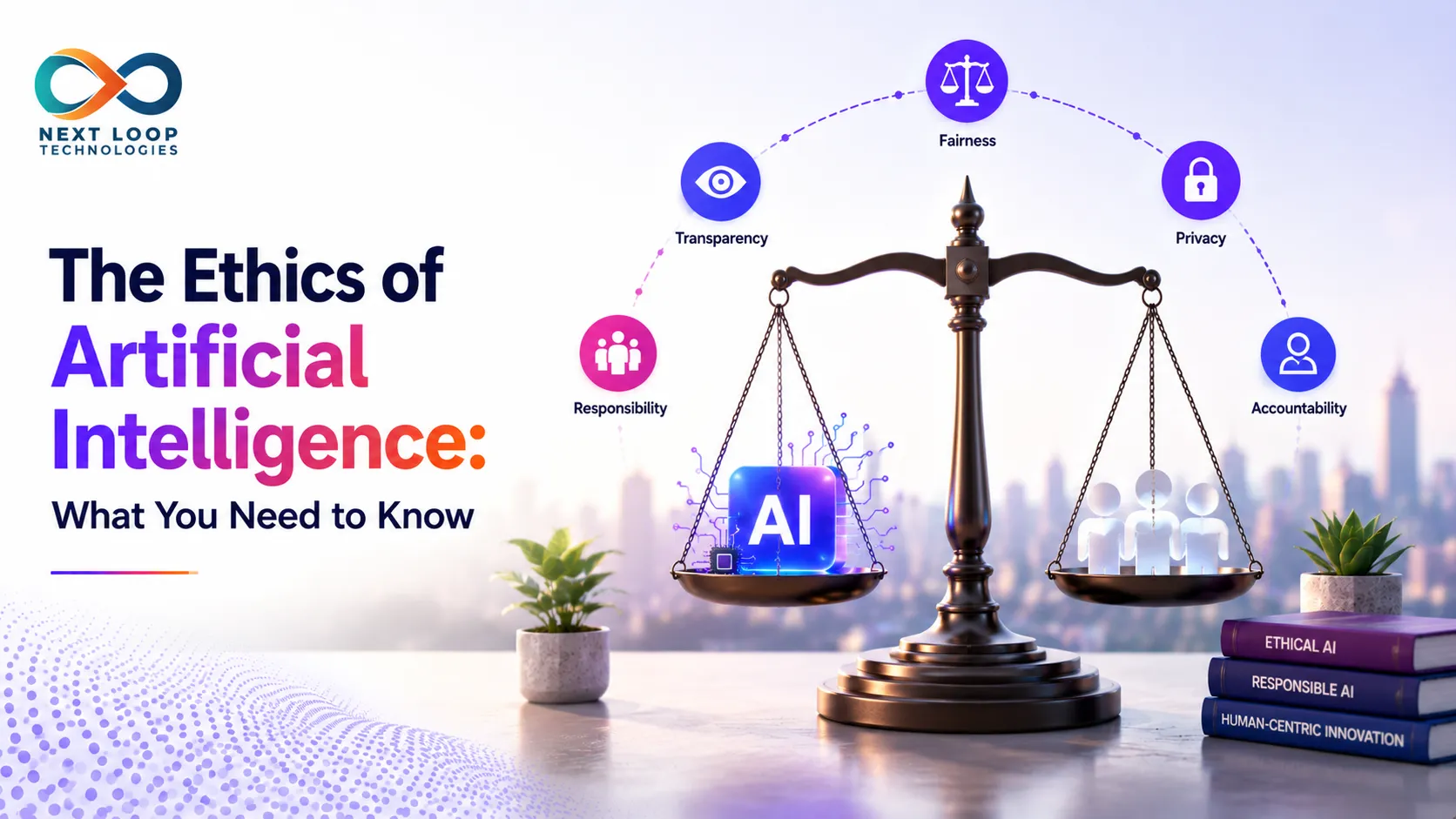
Artificial Intelligence (AI) is no longer a concept from science fiction—it’s a part of our daily lives. From voice assistants like Siri to self-driving cars, AI is revolutionizing how we work, live, and interact. However, as AI technology rapidly advances, it also raises important ethical questions. In this blog, we’ll explore what AI ethics are, why they matter, and how we can navigate the challenges they bring.
What Is AI Ethics?
AI ethics refers to the study of the moral implications and challenges that arise from the development and use of artificial intelligence. It addresses questions such as:
- How should AI systems behave?
- Who is responsible for decisions made by AI?
- How can we ensure AI benefits everyone fairly?
AI is a tool created by humans, but when it operates autonomously (without human intervention), it can make decisions that affect lives, jobs, and entire industries. Understanding the ethical side of AI is crucial to make sure it’s used in ways that are beneficial and fair to society.
How Can We Ensure AI is Used Ethically?
There’s no easy solution to the ethical challenges of AI, but there are steps we can take to guide its development:
- Diverse and Inclusive Data: AI systems should be trained on diverse data sets to avoid biases and ensure fairness. This includes considering different races, genders, and socioeconomic backgrounds when gathering data.
- Transparency: Developers should make AI systems more transparent by explaining how decisions are made. This will help increase trust in AI and allow for accountability when things go wrong.
- Accountability and Responsibility: Companies and governments need to take responsibility for the outcomes of AI systems. When AI makes a decision, there should be a clear understanding of who is accountable.
- Privacy Protection: AI systems must be designed with privacy in mind. Data should be collected and used in a way that respects individuals’ rights and keeps personal information safe.
- Ongoing Monitoring: The ethical implications of AI should be continuously evaluated. As technology evolves, so too should our understanding of its social, economic, and moral consequences.
The Future of AI Ethics
As AI continues to evolve, ethical considerations will play a bigger role in shaping its future. It’s important to have discussions about the ethical use of AI now so we can avoid unintended consequences down the line. By establishing ethical frameworks, investing in transparency, and encouraging collaboration between governments, businesses, and the public, we can guide AI technology in a way that maximizes its benefits while minimizing potential harms.
Conclusion: The Need for Ethical AI
The ethics of AI are more important than ever, as these technologies are already affecting many aspects of our lives. We must approach AI development with care, ensuring that it’s used in ways that are fair, transparent, and accountable. By understanding and addressing the ethical issues of AI, we can make sure it continues to be a positive force for change in society.
Want to learn more about how AI is shaping the future? Stay updated with the latest trends and ethical discussions by following Nextloop Technologies. Let’s explore the impact of AI together