
NextloopTechnologies
  • Industries
blogs background

blogs

If you are looking for a complete business solution at in one place in combination with distinctive designs, that is what you can expect from us. To stimulate the growth of your company, we focus on various services, although we do not limit ourselves to this. We keep learning and stay ourselves up to date with current market trends.
Mobile App Development Guide: Trends & Best Practices in 2025
12 March 2025

Mobile App Development Guide: Trends & Best Practices in 2025

In today's digital landscape, having a powerful mobile presence is no longer optional for businesses looking to stay competitive. At NextLoop Technologies, we leverage cutting-edge development practices to create mobile applications that drive engagement and deliver exceptional user experiences. This guide explores the latest trends and proven best practices in mobile app development to help you make informed decisions for your next project.Current Mobile App Development Trends1. AI and Machine Learning IntegrationArtificial intelligence and machine learning capabilities are revolutionizing mobile app functionality. From personalized recommendations to predictive text input and voice assistants, AI-powered features enhance user experiences while streamlining operations. NextLoop Technologies specializes in seamlessly integrating these intelligent technologies into mobile applications across industries.2. Cross-Platform Development FrameworksThe rise of Flutter, React Native, and other cross-platform development frameworks has transformed how we build mobile applications. These technologies allow developers to write code once and deploy it across multiple platforms, significantly reducing development time and costs while maintaining native-like performance.3. 5G Technology ImplementationWith 5G networks becoming more widespread, mobile apps can now support higher data transfer speeds, improved connectivity, and reduced latency. This technological advancement enables more sophisticated features like high-definition video streaming, advanced AR/VR experiences, and real-time data processing.4. Advanced AR/VR ExperiencesAugmented and virtual reality technologies have matured substantially, creating new possibilities for immersive mobile experiences. From virtual product try-ons to interactive gaming and educational tools, AR/VR integration is becoming a standard feature in forward-thinking mobile applications.5. Wearable Device IntegrationThe wearable technology market continues to expand, with smartwatches, fitness trackers, and other connected devices becoming increasingly popular. Modern mobile applications now commonly feature seamless integration with wearables, expanding their functionality beyond the smartphone screen.Best Practices for Mobile App DevelopmentPrioritize User Experience DesignA successful mobile app begins with thoughtful UX design. We emphasize:Intuitive navigation and minimal user learning curveResponsive design that adapts to different screen sizesConsistent visual elements and clear information hierarchyAccessibility features for users with disabilitiesImplement Robust Security MeasuresMobile app security cannot be an afterthought. Best practices include:Data encryption for all sensitive informationSecure authentication mechanismsRegular security audits and penetration testingCompliance with industry-specific regulations (GDPR, HIPAA, etc.)Optimize PerformanceUsers expect fast, responsive applications. Performance optimization strategies include:Efficient code architecture and minimal resource usageImage and asset optimizationCaching mechanisms to reduce server requestsProgressive loading of contentAdopt Agile Development MethodologiesAgile development approaches ensure flexibility and quality throughout the development process:Regular iterations with continuous feedbackSprint planning with achievable milestonesAutomated testing at each development stageContinuous integration and deployment practicesLeverage Analytics for Continuous ImprovementData-driven decision making is crucial for app refinement:Implement comprehensive analytics trackingMonitor user behavior and engagement metricsAnalyze crash reports and performance dataUse insights to prioritize future enhancementsWhy Choose NextLoop Technologies for Your Mobile App DevelopmentNextLoop Technologies combines technical expertise with business insight to deliver mobile applications that exceed expectations. Our dedicated team stays at the forefront of mobile development trends while maintaining a focus on creating solutions that address real business challenges.Whether you're looking to build a new mobile application from scratch or upgrade an existing one, our team has the skills and experience to bring your vision to life. We work collaboratively with clients throughout the development process, ensuring transparency and alignment with business objectives.ConclusionThe mobile app landscape continues to evolve rapidly, with new technologies and user expectations emerging constantly. By partnering with NextLoop Technologies, you gain access to a team that understands both the technical aspects of mobile development and the strategic considerations that drive business success.Ready to discuss your mobile app project? Contact NextLoop Technologies today to schedule a consultation with our expert development team.

ALL BLOGS

Mobile App Development Guide: Trends & Best Practices in 2025

Mobile App Development Guide: Trends & Best Practices in 2025

12 March 2025

In today's digital landscape, having a powerful mobile presence is no longer optional for businesses looking to stay competitive. At NextLoop Technologies, we leverage cutting-edge development practices to create mobile applications that drive engagement and deliver exceptional user experiences. This guide explores the latest trends and proven best practices in mobile app development to help you make informed decisions for your next project.Current Mobile App Development Trends1. AI and Machine Learning IntegrationArtificial intelligence and machine learning capabilities are revolutionizing mobile app functionality. From personalized recommendations to predictive text input and voice assistants, AI-powered features enhance user experiences while streamlining operations. NextLoop Technologies specializes in seamlessly integrating these intelligent technologies into mobile applications across industries.2. Cross-Platform Development FrameworksThe rise of Flutter, React Native, and other cross-platform development frameworks has transformed how we build mobile applications. These technologies allow developers to write code once and deploy it across multiple platforms, significantly reducing development time and costs while maintaining native-like performance.3. 5G Technology ImplementationWith 5G networks becoming more widespread, mobile apps can now support higher data transfer speeds, improved connectivity, and reduced latency. This technological advancement enables more sophisticated features like high-definition video streaming, advanced AR/VR experiences, and real-time data processing.4. Advanced AR/VR ExperiencesAugmented and virtual reality technologies have matured substantially, creating new possibilities for immersive mobile experiences. From virtual product try-ons to interactive gaming and educational tools, AR/VR integration is becoming a standard feature in forward-thinking mobile applications.5. Wearable Device IntegrationThe wearable technology market continues to expand, with smartwatches, fitness trackers, and other connected devices becoming increasingly popular. Modern mobile applications now commonly feature seamless integration with wearables, expanding their functionality beyond the smartphone screen.Best Practices for Mobile App DevelopmentPrioritize User Experience DesignA successful mobile app begins with thoughtful UX design. We emphasize:Intuitive navigation and minimal user learning curveResponsive design that adapts to different screen sizesConsistent visual elements and clear information hierarchyAccessibility features for users with disabilitiesImplement Robust Security MeasuresMobile app security cannot be an afterthought. Best practices include:Data encryption for all sensitive informationSecure authentication mechanismsRegular security audits and penetration testingCompliance with industry-specific regulations (GDPR, HIPAA, etc.)Optimize PerformanceUsers expect fast, responsive applications. Performance optimization strategies include:Efficient code architecture and minimal resource usageImage and asset optimizationCaching mechanisms to reduce server requestsProgressive loading of contentAdopt Agile Development MethodologiesAgile development approaches ensure flexibility and quality throughout the development process:Regular iterations with continuous feedbackSprint planning with achievable milestonesAutomated testing at each development stageContinuous integration and deployment practicesLeverage Analytics for Continuous ImprovementData-driven decision making is crucial for app refinement:Implement comprehensive analytics trackingMonitor user behavior and engagement metricsAnalyze crash reports and performance dataUse insights to prioritize future enhancementsWhy Choose NextLoop Technologies for Your Mobile App DevelopmentNextLoop Technologies combines technical expertise with business insight to deliver mobile applications that exceed expectations. Our dedicated team stays at the forefront of mobile development trends while maintaining a focus on creating solutions that address real business challenges.Whether you're looking to build a new mobile application from scratch or upgrade an existing one, our team has the skills and experience to bring your vision to life. We work collaboratively with clients throughout the development process, ensuring transparency and alignment with business objectives.ConclusionThe mobile app landscape continues to evolve rapidly, with new technologies and user expectations emerging constantly. By partnering with NextLoop Technologies, you gain access to a team that understands both the technical aspects of mobile development and the strategic considerations that drive business success.Ready to discuss your mobile app project? Contact NextLoop Technologies today to schedule a consultation with our expert development team.

Exploring the Future of Web Development

Exploring the Future of Web Development

10 March 2025

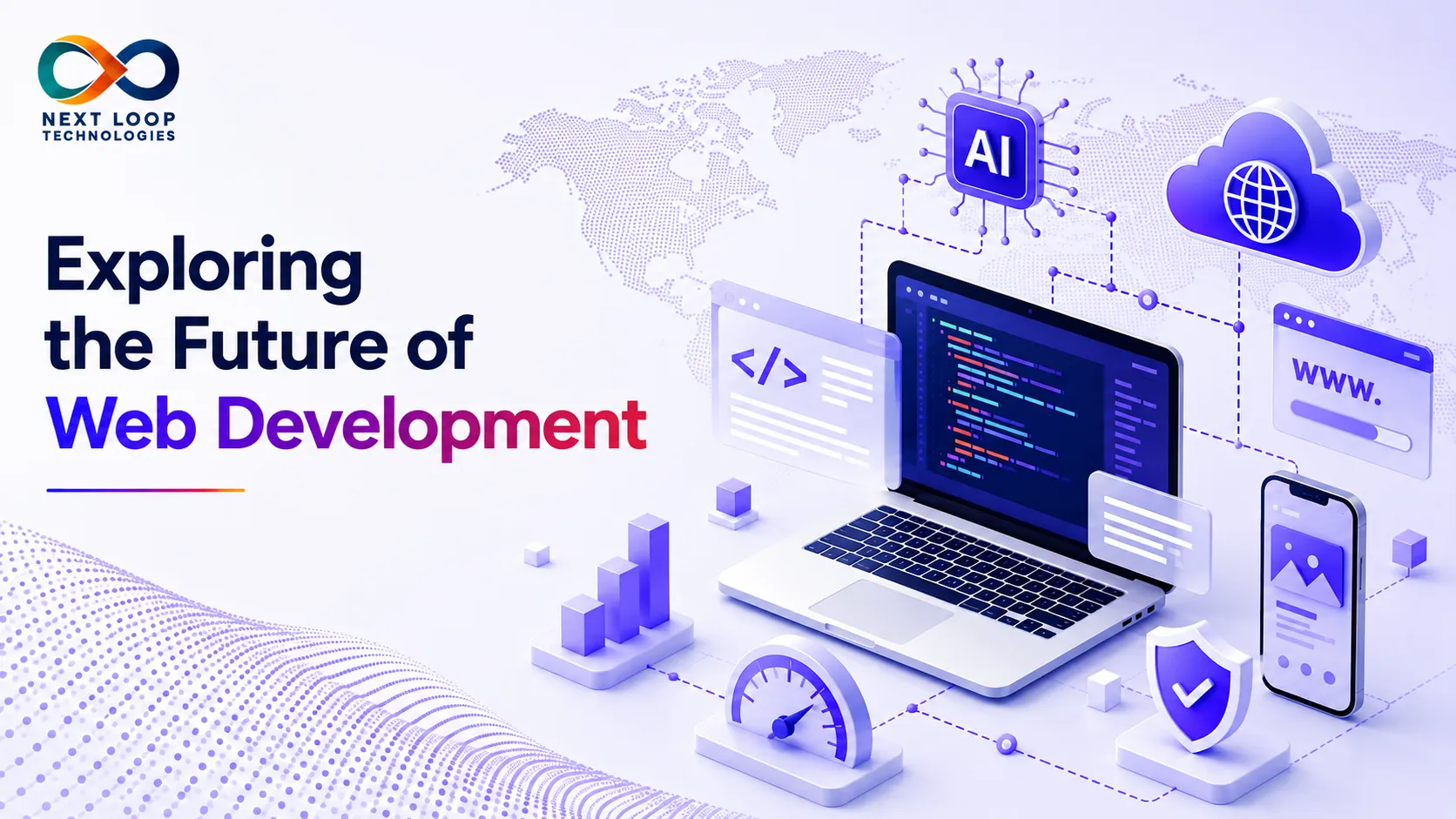
IntroductionThe web development world is changing rapidly. At Nextloop Technologies, we stay ahead of these changes to deliver the best software solutions. Here's a straightforward look at what's shaping the future of web development.AI in Web DevelopmentArtificial intelligence is making web development smarter and faster:AI coding assistants help developers write better code with fewer mistakesAutomated testing finds bugs quickly without manual workSmart websites adjust content based on user behaviorWebAssembly: Making Browsers More PowerfulWebAssembly lets websites run complex applications directly in your browser:Websites can now perform tasks that once required installed softwareAdvanced graphics and games run smoothly in browsersComplex calculations happen instantly without server delaysJamstack: Faster, Safer WebsitesJamstack is a modern way to build websites that are:Lightning-fast because content is pre-built and delivered globallyMore secure with fewer points for hackers to targetEasier to scale when traffic increasesProgressive Web Apps (PWAs)PWAs combine the best features of websites and mobile apps:Work offline when internet connection is poorCan be installed on home screens like regular appsSend notifications to keep users engagedLoad quickly even on slow connectionsLow-Code DevelopmentCreating websites is becoming more accessible:Visual tools let non-programmers build functional websitesDevelopers can create projects faster with pre-built componentsBusinesses can test ideas quickly without extensive codingAPI-First ApproachModern websites are built around APIs (ways for different systems to communicate):Services can be built separately and work together seamlesslyContent can appear on websites, apps, and other platforms from one sourceUpdates happen faster because systems are independentAccessibility for EveryoneMaking websites usable by all people is becoming essential:Designs consider users with disabilities from the startVoice controls and screen readers work properly with websitesCompliance with legal requirements protects businessesSustainable Web DevelopmentEnvironmentally conscious coding practices are gaining importance:Efficient code uses less energyFast-loading sites reduce carbon footprintGreen hosting options minimize environmental impactHow Nextloop Technologies Stays AheadAt Nextloop Technologies, we implement these trends to build better software:We use AI tools to develop more efficientlyOur websites load quickly and work on all devicesWe build accessible solutions that reach wider audiencesOur development practices prioritize both performance and sustainabilityConclusionThe future of web development offers exciting possibilities for businesses. With the right technology partner, you can leverage these trends to create outstanding digital experiences.Nextloop Technologies combines technical expertise with forward-thinking approaches to deliver software solutions that work today and prepare you for tomorrow. Contact us to discuss how we can help your business succeed online.

Progressive Web Apps: Transforming the Mobile Experience

Progressive Web Apps: Transforming the Mobile Experience

05 March 2025

In today’s fast-moving digital world, businesses need apps that are fast, reliable, and engaging. Traditional mobile apps can be expensive to develop and maintain. This is where Progressive Web Apps (PWAs) come in! They offer a perfect balance between websites and mobile apps, providing a smooth user experience without the hassle of downloading an app from an app store.What is a Progressive Web App (PWA)?A Progressive Web App (PWA) is a web application that works like a mobile app but runs directly in a browser. It combines the best features of websites and native apps, offering speed, offline access, and push notifications while being easy to install and update.Why Are PWAs the Future of Mobile App Development?PWAs are changing the game for businesses by providing app-like experiences without the cost and complexity of developing separate iOS and Android apps. Here’s why they are the future:No Need for App Stores – Users can install a PWA directly from their browser, saving storage space and time.Works Offline – PWAs use service workers to cache content, allowing users to access them even without an internet connection.Fast & Responsive – PWAs load quickly, providing smooth navigation and great performance on all devices.Cost-Effective – Instead of building separate apps for iOS and Android, businesses can invest in a single PWA that works on all platforms.SEO-Friendly – Unlike native apps, PWAs can be indexed by search engines, helping businesses improve their online visibility.Push Notifications – Just like native apps, PWAs can send real-time updates to engage users and boost retention.Automatic Updates – No need for app store approvals; PWAs update automatically, ensuring users always have the latest version.Industries Benefiting from PWAsMany industries are adopting PWAs to enhance user experience and business performance:E-commerce – Faster load times and offline access help increase conversions.News & Media – Instant access to articles, even without the internet.Travel & Hospitality – Users can book flights and hotels without worrying about connectivity.Healthcare – Easy access to medical records and appointments.Popular Companies Using PWAsMany big brands have already embraced PWAs, including:Twitter Lite – 70% lower data usage, faster loading.Pinterest – 60% increase in engagement.Starbucks – Works seamlessly even in low-network areas.How to Implement a PWA for Your BusinessIf you want to create a PWA for your business, follow these steps:Make Your Website Mobile-Friendly – A responsive design is a must.Use HTTPS – Security is essential for a PWA.Implement Service Workers – These allow offline functionality.Add a Web App Manifest – This makes installation possible.Optimize Performance – Ensure fast loading speeds with caching and lazy loading.Progressive Web Apps are revolutionizing the way businesses engage with users. They offer speed, reliability, and cost savings, making them the future of mobile app development. As businesses shift towards more efficient and user-friendly solutions, PWAs will continue to grow in popularity.At Nextloop Technologies, we specialize in building high-performance PWAs that enhance user experience and drive business growth. Want to transform your website into a PWA? Contact us today!

Operational Intelligence: Powering the Future of Business Success

Operational Intelligence: Powering the Future of Business Success

05 March 2025

In today’s fast-paced business world, making informed decisions quickly is key to staying ahead of the competition. This is where Operational Intelligence (OI) comes in. It helps businesses analyze real-time data, optimize processes, and improve decision-making. But what exactly is operational intelligence, and how can it benefit modern enterprises? Let’s dive in.What is Operational Intelligence?Operational Intelligence (OI) is a type of real-time analytics that helps organizations monitor, analyze, and act on business data as it happens. Unlike traditional Business Intelligence (BI), which focuses on historical data, OI provides instant insights that allow businesses to make immediate improvements.Key Benefits of Operational Intelligence:Real-Time Decision Making OI provides real-time insights, enabling businesses to react quickly to market changes, customer demands, or operational issues.Improved Efficiency By continuously monitoring business processes, OI helps identify inefficiencies and bottlenecks, allowing enterprises to streamline operations.Enhanced Customer Experience With OI, companies can analyze customer interactions in real time, ensuring quick response times and personalized experiences.Better Risk Management OI allows businesses to detect potential risks and anomalies early, reducing the likelihood of security breaches or operational failures.Increased Revenue By optimizing processes and improving decision-making, businesses can reduce costs and maximize profits.How Does Operational Intelligence Work?Operational Intelligence collects data from various sources such as IoT devices, CRM systems, social media, and business applications. This data is then analyzed using AI and machine learning tools to provide actionable insights in real time.Industries Benefiting from Operational Intelligence:Many industries are leveraging OI to improve efficiency and decision-making. Some of them include:E-commerce – Personalizing customer experiences and optimizing supply chains.Healthcare – Enhancing patient care with real-time monitoring.Finance – Detecting fraud and managing risks effectively.Manufacturing – Predicting equipment failures and improving productivity.Implementing Operational Intelligence in Your BusinessTo successfully adopt OI, businesses should:Identify key data sources – Determine where valuable data is coming from.Use the right tools – Invest in AI-driven analytics platforms.Train employees – Ensure staff understands how to use and interpret data insights.Monitor continuously – Keep track of performance and adjust strategies accordingly.Operational Intelligence is revolutionizing modern enterprises by providing real-time insights that drive efficiency, enhance customer satisfaction, and boost profitability. In an increasingly competitive market, adopting OI is no longer an option but a necessity for businesses aiming for growth and success.At Nextloop Technologies, we help businesses implement smart solutions like Operational Intelligence to stay ahead in their industry. Want to learn more? Contact us today!

The Future of Cloud Services in 2025: What You Need to Know

The Future of Cloud Services in 2025: What You Need to Know

27 February 2025

Cloud computing has revolutionized the way businesses operate, and in 2025, it continues to evolve with more advanced security, efficiency, and innovation. Whether you're a startup, an enterprise, or an individual user, cloud services play a crucial role in enhancing productivity and scalability. But what’s next for the cloud in 2025? Let’s explore the key trends, security challenges, and benefits of cloud computing in the coming year.1. Cloud Computing in 2025: A Game ChangerCloud services are no longer a luxury; they are a necessity. Companies are shifting to cloud-based solutions for faster operations, better collaboration, and cost-effective infrastructure. In 2025, we are seeing:Hybrid & Multi-Cloud Adoption: Businesses are using a mix of private and public cloud services for better flexibility and security.AI & Automation in Cloud Services: Smarter cloud management with AI-powered automation enhances efficiency and reduces manual workloads.Edge Computing Growth: Faster data processing by bringing cloud services closer to users, improving real-time applications like IoT and autonomous systems.2. Security in Cloud Computing: What’s Changing?As cloud usage grows, so do security threats. In 2025, businesses must focus on:Zero-Trust Security Models: Verifying every request, even from trusted networks, to prevent cyber threats.Advanced Encryption & Privacy Protection: Ensuring end-to-end data security to protect sensitive information from breaches.AI-Powered Threat Detection: Using machine learning to predict and prevent cyber-attacks before they happen.3. The Benefits of Cloud Services for BusinessesCloud solutions are helping businesses of all sizes scale and innovate. Key benefits include:Cost Savings: Reduce infrastructure and maintenance costs by paying only for what you use.Remote Accessibility: Work from anywhere with cloud-based collaboration tools.Disaster Recovery: Cloud backups protect businesses from data loss and system failures.Scalability: Easily adjust resources to match your business growth.4. Preparing for the Future of Cloud ComputingBusinesses need to stay ahead by adopting the latest cloud trends and security measures. To thrive in 2025:Invest in Security: Ensure your cloud provider follows strict security standards.Train Your Team: Educate employees on cloud security best practices.Monitor and Optimize: Regularly assess your cloud usage and optimize resources for efficiency.ConclusionCloud computing in 2025 is smarter, faster, and more secure than ever. By leveraging the latest innovations and security measures, businesses can achieve greater efficiency and protection. Whether you're adopting AI-driven cloud services or strengthening security protocols, staying informed is key to success.We specialize in providing scalable, secure, and future-ready cloud solutions. Ready to elevate your business with cloud technology? Contact us today and take the next step into the future of cloud computing!

Microservices Evolving into Distributed Cloud-Native Applications: A New Era in Software Development

Microservices Evolving into Distributed Cloud-Native Applications: A New Era in Software Development

24 February 2025

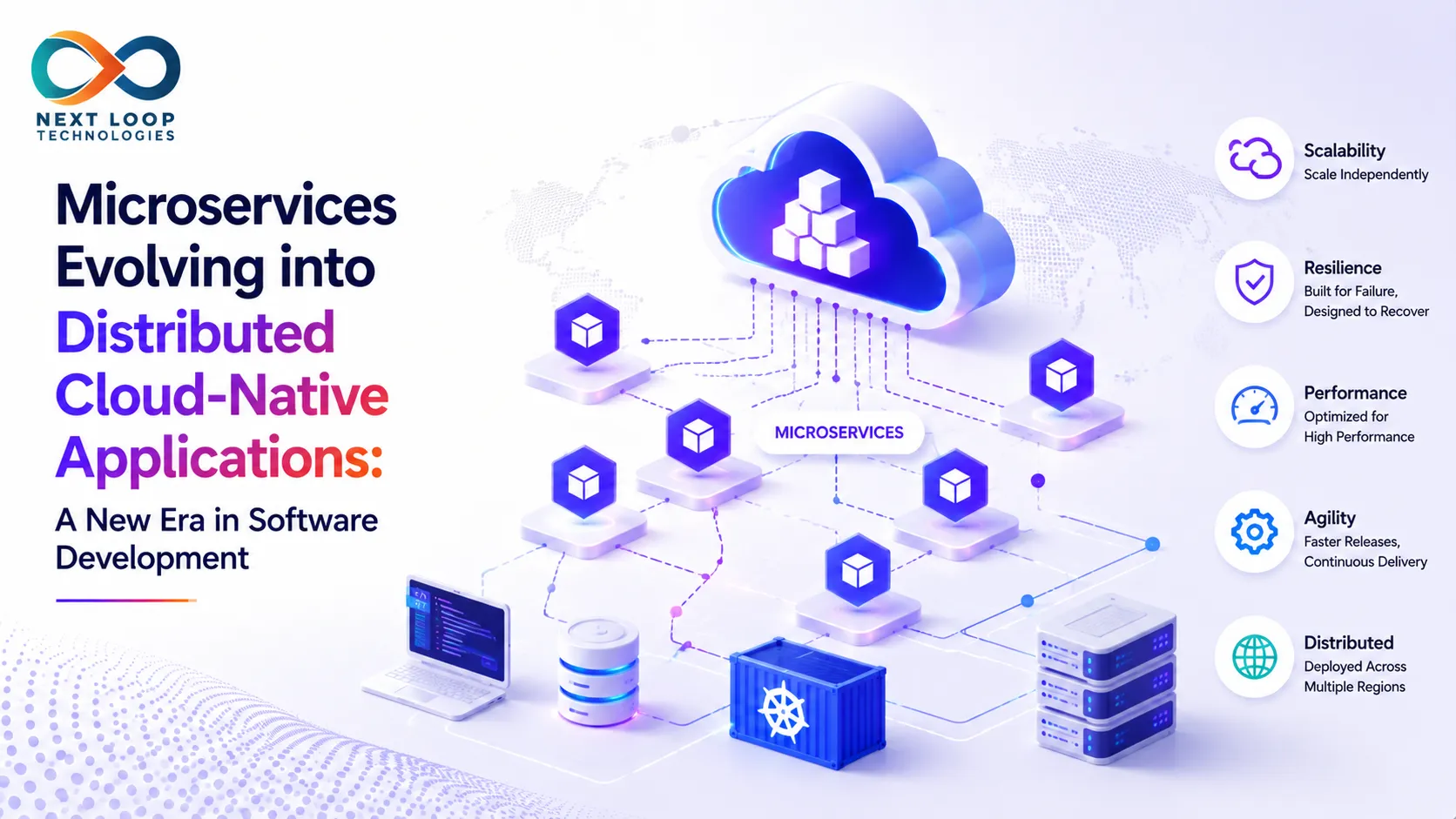
In today’s fast-paced digital world, businesses are constantly looking for ways to scale efficiently and respond quickly to changing customer needs. Microservices and cloud-native applications have become essential in achieving these goals. But what happens when these two powerful concepts come together?In this blog post, we’ll explore how microservices are evolving into distributed cloud-native applications, and what this means for the future of software development and business success.What are Microservices?Before we dive into evolution, let’s quickly define microservices.Microservices are an architectural approach where a large application is broken down into smaller, independent services. Each service focuses on a specific business functionality, making it easier to develop, deploy, and scale. These services can communicate with each other via APIs and are built and maintained independently.Microservices are known for offering flexibility, scalability, and better fault isolation.The Shift Towards Cloud-Native ApplicationsNow, let’s look at cloud-native applications. These are applications built specifically to run in the cloud. They are designed to take full advantage of cloud environments like AWS, Azure, or Google Cloud, offering key benefits like:Scalability: Cloud-native apps can scale easily to handle traffic spikes.Resilience: Cloud-native apps are built to handle failures and keep running without interruption.Flexibility: With cloud infrastructure, businesses can deploy updates quickly without worrying about hardware limitations.Cloud-native applications are built with technologies like containers, Kubernetes, and serverless computing, which provide the flexibility needed to build and manage dynamic, distributed systems.How Microservices Evolve Into Distributed Cloud-Native ApplicationsThe evolution of microservices into distributed cloud-native applications is an important development in the software industry. Here's how it works:Scalable Architecture: Traditional monolithic applications (which are single, tightly integrated systems) have limitations when it comes to scaling and agility. By evolving microservices into cloud-native apps, each service can be independently scaled in the cloud, ensuring that businesses can handle growing demand efficiently.Autonomous Services: Distributed cloud-native applications take microservices to the next level by breaking down services even further, creating a network of independently deployable units. These services can evolve and scale independently, offering better management and customization.Improved Resilience: In a cloud-native ecosystem, services are distributed across multiple servers or even regions. If one part of the system fails, other parts can continue running without major disruption, improving overall application resilience.Automation and Continuous Deployment: The cloud-native approach is built for automation. It enables automatic scaling, seamless updates, and a continuous deployment pipeline, making it easier for businesses to push new features and improvements quickly.Cost Efficiency: By distributing the application across multiple cloud environments, companies can optimize their use of resources, saving on infrastructure costs. Only the resources required by the application are used, leading to better cost control and efficiency.Why Should Businesses Care?For businesses, the evolution of microservices into distributed cloud-native applications means more than just technological advancement. Here’s why it matters:Faster Time-to-Market: With cloud-native apps, businesses can develop, test, and deploy new features faster than ever before, keeping up with market demands and customer expectations.Better User Experience: With the ability to scale and maintain services independently, businesses can provide a more reliable, responsive experience to users. Cloud-native applications ensure that customer-facing services remain available even during traffic surges.Flexibility for Growth: Cloud-native applications enable businesses to expand globally with minimal infrastructure changes. The cloud allows for easy replication of services in different regions to improve performance and meet global needs.Increased Innovation: With microservices evolving into cloud-native applications, businesses can quickly adapt to new technologies and innovate in ways that traditional applications couldn’t.Conclusion: The Future is Cloud-NativeThe evolution of microservices into distributed cloud-native applications is revolutionizing the way businesses develop and scale software. As companies continue to embrace the cloud, they can unlock new levels of efficiency, flexibility, and innovation.We specialize in helping businesses transition to cloud-native environments, offering expert guidance on adopting microservices and building scalable, resilient applications. Ready to take your software to the next level? Reach out to us today

 Digital Marketing Secrets to Dominate 2025

Digital Marketing Secrets to Dominate 2025

24 February 2025

As we step into 2025, the digital marketing landscape continues to evolve at a fast pace, driven by advancements in technology and shifts in consumer behavior. For businesses like yours, staying ahead of the curve is crucial to ensure growth and success in the competitive market. 1. The Growth of Artificial Intelligence (AI)AI is no longer a futuristic concept – it's here, and it's changing the way businesses approach digital marketing. From personalized recommendations to predictive analytics, AI is helping brands deliver better-targeted campaigns and enhance customer experiences. By leveraging AI tools, you can automate tedious tasks, improve customer segmentation, and gain insights into consumer behavior. Whether you're enhancing your content or refining your marketing strategies, AI will be your biggest ally in 2025.Action Tip: Invest in AI-powered tools to optimize your marketing campaigns and streamline operations.2. Why Video Marketing MattersVideo content continues to dominate in 2025, and it’s not hard to see why. Videos offer an engaging, easy-to-consume format that can convey your message quickly and effectively. Whether it’s product demos, behind-the-scenes looks, or customer testimonials, video marketing helps build trust and connect with your audience. With platforms like TikTok, YouTube, and Instagram Reels booming, creating high-quality video content should be a top priority.Action Tip: Start creating short, impactful video content to engage with your audience on social platforms.3. The Power of Voice SearchWith the rise of smart devices like Alexa, Siri, and Google Assistant, voice search is becoming more important than ever. In fact, over 50% of searches are expected to be voice-based by 2025. Optimizing your content for voice search ensures that your brand is easily discoverable when users search through voice commands.Action Tip: Optimize your website content for voice search by focusing on natural language and question-based keywords.4. The Rise of User-Generated Content (UGC)User-generated content (UGC) is one of the most effective ways to build brand credibility and trust in 2025. Customers trust their peers more than advertisements, so encouraging your customers to share their experiences can drive engagement and attract new buyers.Action Tip: Create campaigns that encourage customers to share their experiences and tag your brand. UGC is a powerful way to boost social proof.5. Sustainability and Ethical Marketing FocusConsumers are becoming more conscious of environmental and social issues, and they want to support brands that align with their values. In 2025, sustainability and ethical marketing will play a major role in shaping consumer choices. Businesses that prioritize sustainability in their products and marketing strategies will gain a competitive edge.Action Tip: Embrace sustainability by implementing eco-friendly practices and communicating your brand’s values through ethical marketing.ConclusionAs we approach 2025, digital marketing will continue to evolve, presenting new opportunities and challenges for businesses. At Nextloop Technologies, we help businesses stay ahead of these trends by providing innovative digital marketing strategies and cutting-edge technologies. By embracing these 10 digital marketing secrets, you’ll be well-positioned to dominate the digital landscape and grow your business in the years to come.Ready to implement these strategies? Get in touch today, and let’s craft a future-proof digital marketing strategy for your business!

Generative AI – What is it and How Does it Work?

Generative AI – What is it and How Does it Work?

06 February 2025

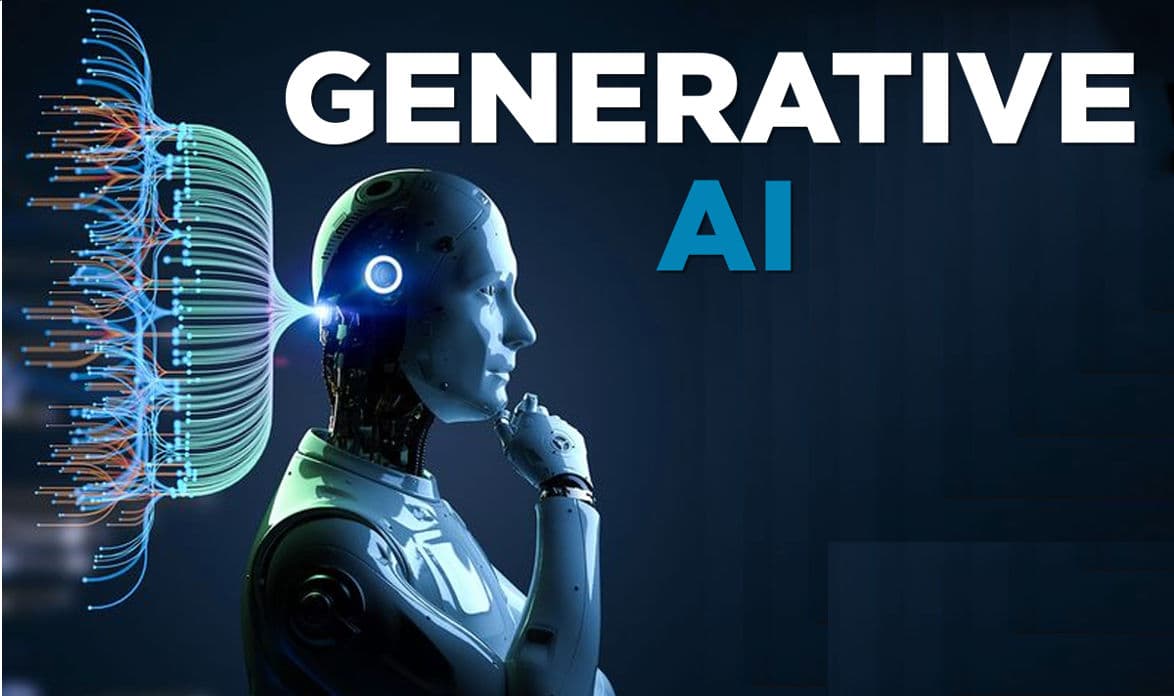
Generative AI is a type of artificial intelligence that is quickly becoming one of the most exciting technologies in the world. But what exactly is it? And how does it work? we’ll explain generative AI in simple terms and show you how it’s transforming industries and everyday life.What is Generative AI?Generative AI refers to a type of artificial intelligence that can create new things. Instead of just analyzing or predicting things, like some traditional AIs, generative AI actually produces new content. This content could be anything—from writing stories or poems, to generating images, music, or even video games.How Does Generative AI Work?Generative AI works by using machine learning, a type of AI that teaches computers to learn patterns from data. Here’s a simple breakdown of how it works:Training: Generative AI is first “trained” by feeding it large amounts of data—like text, images, or sounds. The AI looks at this data and learns how different elements work together. For instance, if it’s being trained to write stories, it will look at thousands of books or articles to learn sentence structure, vocabulary, and tone.Generating: Once the AI has learned from the data, it can begin generating new content. If you give it a prompt, like "write a short story about space," the AI will use what it has learned to create a new story that matches the prompt.Refining: The more the AI generates, the better it gets. It can refine its creations based on feedback from humans or its own learning process, making its results more accurate and creative over time.Where is Generative AI Used?Generative AI is already making an impact in many industries. Here’s a look at some of the places where it’s being used:Art and Design: Artists and designers use generative AI to create new artworks, logos, or design ideas. It can help create unique designs quickly or give inspiration for new artistic projects.Content Creation: Generative AI can write articles, blogs, and even books! It can also create scripts for videos or social media posts. Many content creators use it to save time and come up with fresh ideas.Healthcare: Generative AI is being used in healthcare to create new drug formulas or discover new ways to treat diseases. It can quickly analyze medical data and propose solutions, making the process of finding new treatments faster and more efficient.How Will Generative AI Affect You?Generative AI isn’t just for businesses and professionals—it has an impact on everyday users too. Here are some ways it could affect you:Personalized Content: Generative AI can help create personalized recommendations, whether it’s movies, music, or articles. It learns from your preferences and can suggest content that you might enjoy.Creativity Boost: Even if you’re not a professional artist or writer, you can use generative AI to help with your own creative projects. You could use it to write poems, design posters, or even create your own music.Smarter Services: In the future, generative AI could make customer service smarter and more efficient. You might be chatting with an AI that can quickly solve your problems or answer your questions.Faster Problem Solving: Generative AI can help solve problems faster, whether it's in business, healthcare, or education. It can analyze large amounts of data and generate solutions quickly, giving humans more time to focus on important tasks.Challenges of Generative AIWhile generative AI is amazing, it comes with its own challenges:Ethical Concerns: Generative AI can create content that looks real but isn’t. This raises concerns about misinformation, like AI-generated fake news or deepfake videos. We need to ensure it’s used responsibly.Job Displacement: Some tasks, like writing or design, could become automated with generative AI, which may change job roles in the future. However, AI will also create new opportunities in tech and creative industries.Quality Control: Although generative AI can create amazing things, it sometimes makes mistakes. It may create content that doesn’t make sense or isn’t up to standard. That’s why human oversight is still important.Final ThoughtsGenerative AI is an exciting technology that is transforming the way we create and interact with the digital world. It’s helping people in art, music, writing, healthcare, and many other industries. While it’s still evolving, the future of generative AI is bright, and it will continue to have a huge impact on our daily lives.Stay updated with the latest trends and innovations in AI. Keep in touch with us to learn more about how generative AI is shaping the future.

The Future of Blockchain: How It Will Change Everything by 2025

The Future of Blockchain: How It Will Change Everything by 2025

06 February 2025

The Future of Blockchain: How It Will Change Everything by 2025In recent years, blockchain technology has been a buzzword, but what does it really mean? How will it change the world, especially in 2025? Let’s break it down in simple terms.What is Blockchain?Blockchain is a type of digital technology that allows information to be securely stored across a network of computers. Imagine it like a digital notebook that everyone can see but no one can erase or tamper with.This way, no one can change the information without everyone knowing about it. It’s super secure and transparent!Why Is Blockchain Important?Security: Blockchain technology uses encryption to secure data. It makes it much harder for hackers to alter or steal information. This makes it great for things like banking, healthcare, and online transactions.Transparency: Since everyone can view the blockchain, it’s easy to trace how data moves from one place to another. This builds trust between users, knowing that everything is recorded.Decentralization: Traditional systems are centralized, meaning a single company or organization controls everything. Blockchain removes the middleman, so users can interact directly with each other. This lowers costs and makes services more efficient.Blockchain in 2025: What to Expect?So, how will blockchain affect us in 2025? Here are some exciting possibilities:Blockchain in Finance (Cryptocurrency) : In 2025, cryptocurrencies like Bitcoin and Ethereum could be part of daily life. Blockchain will allow people to send money instantly across borders without the need for banks, saving both time and money.Smart Contracts: Smart contracts are self-executing contracts with the terms directly written into code. By 2025, they could replace traditional paper contracts in many industries like real estate, law, and insurance. For example, when you buy a house, blockchain can automatically transfer ownership when certain conditions are met.Supply Chain Transparency: In 2025, blockchain will make it easier to track products from the factory to your doorstep. Whether it’s food, clothing, or electronics, blockchain will help businesses prove where their products come from and how they were made. This is great for both consumers and businesses, ensuring higher-quality and ethically sourced goods.Healthcare Blockchain will play a key role in healthcare by securely storing medical records and allowing doctors to access patient information quickly and safely. It could also help with the distribution of medicines and ensure they are safe and legitimate.How Blockchain Will Benefit You as a UserFaster Transactions: Blockchain eliminates the need for intermediaries, making transactions faster and cheaper. For example, sending money overseas will take seconds instead of days and will cost less in fees.Greater Security: Your personal data will be safer, as blockchain’s encryption protects it. This will give you more control over your online identity and transactions.Access to New Services: With blockchain, new platforms and services will emerge, offering new ways to do business, invest, and interact with others online.More Trust: Blockchain’s transparency allows for more honest interactions. You’ll be able to see exactly where your money or data is going, which builds trust in the system.Challenges of Blockchain in 2025While blockchain promises a lot, there are some challenges we’ll need to overcome:Regulation: Governments are still figuring out how to regulate blockchain, especially when it comes to cryptocurrencies. There could be new laws that might affect how people use it.Scalability: Blockchain networks can become slow and expensive when too many people use them. As more people start using blockchain, we may need to improve the technology to handle larger volumes of data.Adoption: Even though blockchain is gaining popularity, many industries and people may still be hesitant to adopt it fully, mainly due to unfamiliarity with the technology.Final ThoughtsBlockchain technology is changing the way we think about security, transparency, and trust in the digital world. By 2025, we can expect it to be a big part of our daily lives, from money transfers to medical records to the products we buy.So, get ready for a more connected, transparent, and secure world with blockchain technology!To stay updated on the latest in blockchain technology and more, keep in touch with Nextloop Technologies and be part of the digital revolution.